
Every September, my closet gets its one good argument of the year. The linen goes into the bottom drawer, and the heavier fabric comes back out of the dark — corduroy, flannel, brushed cotton, a wool overshirt that smells like the cedar block I keep with it. If you’ve ever stood in front of your own wardrobe in early fall and thought ‘what do I actually own,’ this is the list I wish someone had handed me.
I spent six years buying for a department store. The part nobody tells you: most of what’s “in” this season won’t survive your actual life. Shirts are different. A good shirt is a long-term investment in the way your mornings go. So here are the eleven shirt types I’d buy again, in the order I’d reach for them.
1. Corduroy shirt
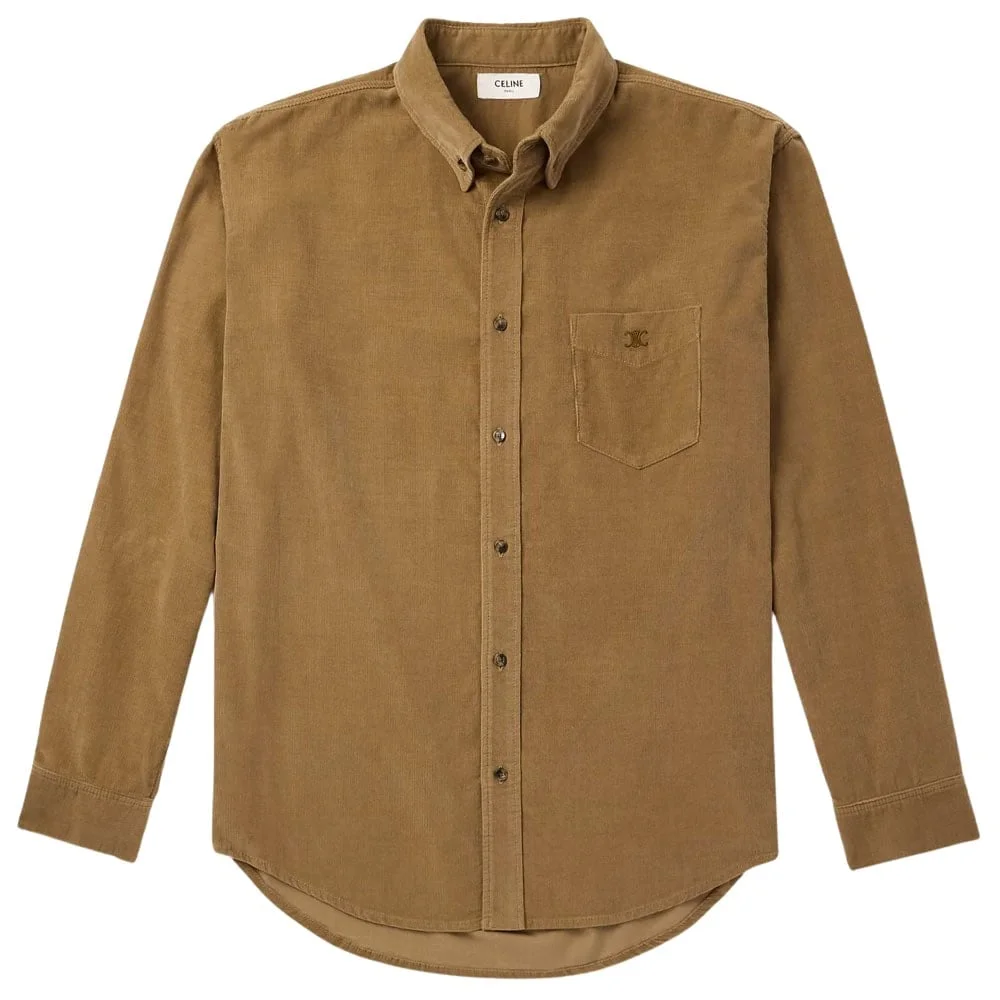
Corduroy is the fabric autumn was made of. The ribbed construction adds texture and warmth, and it reads intentional without reading expensive.
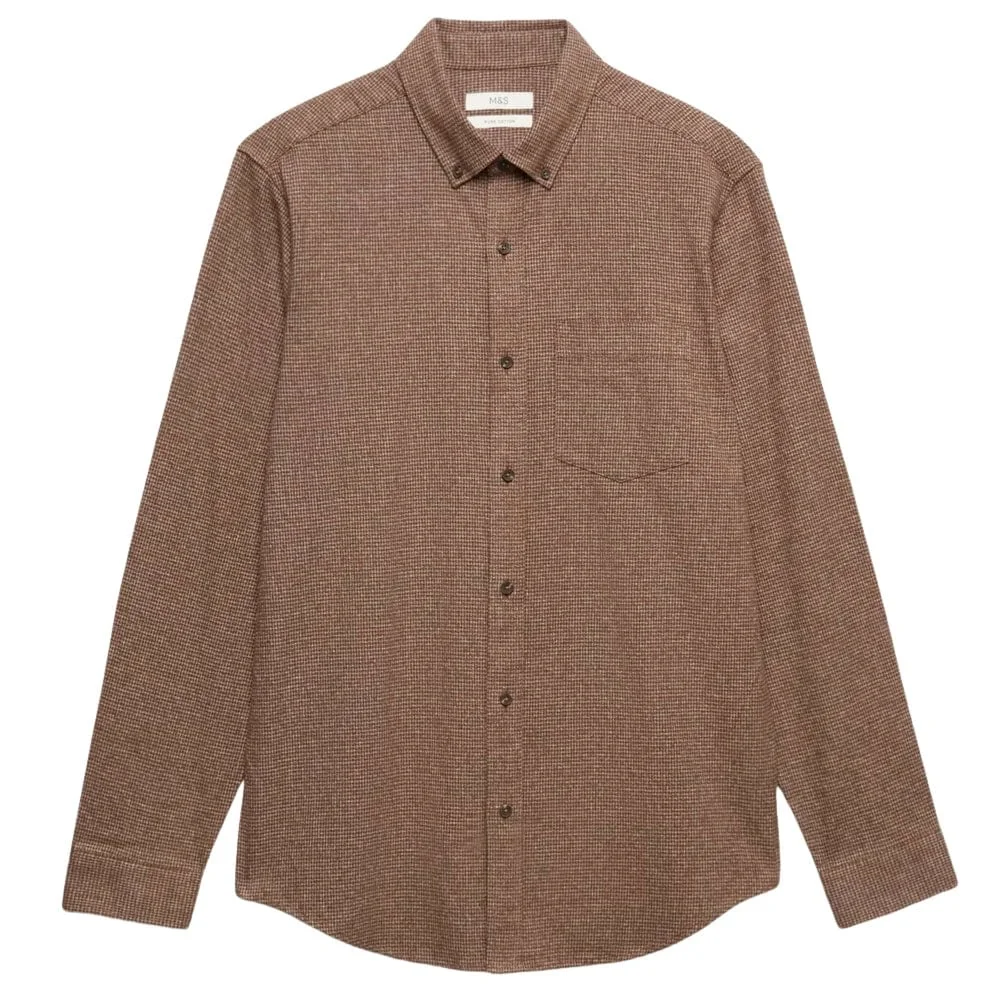
Style it up with chinos or a 70s-inspired suit, or down with jeans. On the mild days when summer keeps coming back, throw it over a tee as an overshirt. Deep burgundy, mustard, olive green are the moves — but don’t skip an off-white, because it does all the quiet work. A good corduroy shirt lands in the splurge tier, and that’s fine: it’s the piece you’ll still be reaching for in three winters.
2. Flannel shirt
The elevator pitch for flannel is simple: it’s a shirt that feels like a blanket. The soft woven fabric keeps you warm, and it’s the most forgiving layer in the list — over a tee on a warm day, under an overcoat or hiking jacket when the mercury drops.
Neutrals get the most wear in my closet. If you’re heading outdoors, go bolder — reds, blues, greens — for that throwback gorpcore look. M&S’s pure cotton flannels are the under-$50 entry point, and they earn their keep.
3. Oxford shirt
An Oxford is a year-round staple, but it’s in its element in fall. The thicker, slightly textured cotton makes it the best layering shirt I own: under a blazer, over a T-shirt, or under another shirt when you want depth.
The preppy credentials give it a polished-but-casual vibe — it moves from office to evening out without a fit check. White, grey, light blue are timeless; navy and forest green work for the cold months. Roll the sleeves for a weekend, and the same shirt still works. This is the piece where cost-per-wear does its best math: buy one good one, wear it every week, and it never retires.
4. Denim shirt
Every man’s wardrobe should have one, and mine has two. Durable enough to outlast trends, it works as a standalone piece or layered under a jacket or sweater. Lighter washes keep it relaxed; darker indigo pushes it toward polished.
My default is double denim — a denim shirt over dark jeans, nothing else to figure out. The surprise move is pairing it with wool trousers or a full suit. Rugged on one axis, smart-casual on the other. It’s the all-season all-star, and it’s usually the most affordable piece on this list.
5. Military overshirt
Atten-hut. This is the affordable way to make your shirting rotation feel different. A vintage or surplus store, a classic army shirt in olive green, and you have a layer that was designed for heavy wear — like, battlefront heavy.
Everyone styles these with more denim, and sure, it works. I prefer the contrast: olive against off-white jeans or navy tailored pants. The clash is what makes the outfit memorable instead of expected. A good military overshirt is almost always the under-$50 find of your season.
6. Brushed cotton shirt
Brushed cotton is the fabric I keep coming back to for one reason: the softness. The cotton is brushed to raise the fibres, and it genuinely feels great against the skin. It’s warm without being heavy.
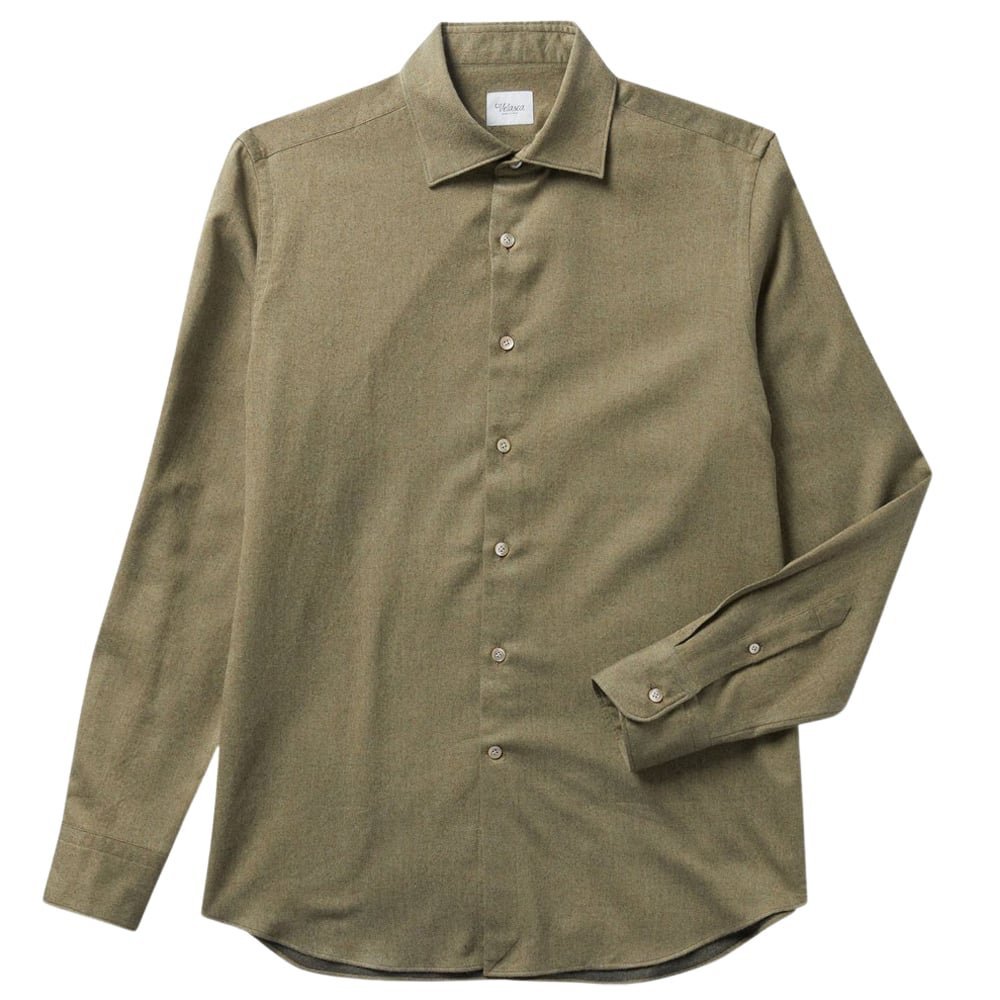
It’s the perfect layering piece — on its own, under a jacket, over a lightweight tee. Casual enough for weekends, more than qualified for the office. Pair it with jeans or chinos and it’s your reliable go-to for brisk morning coffee runs. If you only buy one “comfort fabric” shirt this season, make it this one.
7. Wool overshirt
A wool overshirt is insulation with a point of view. It bridges the gap between a shirt and a padded jacket, which makes it the most useful layer in the coldest part of the year.
Heavier wool keeps you warm and still breathes — good for countryside walks, good for frosty commutes. Muted, earthy tones do the most work: charcoal, navy, olive. Underneath, a crisp Oxford for a polished look, or a tee for something easier. This is a splurge-tier piece, and it’s the one that makes the rest of the list look considered.
8. Plaid shirt
A plaid shirt is a fall icon, and it’s worn by everyone for a reason. The checked pattern, usually in warm autumnal colours, brings a casual but eye-catching element to a fit without any effort. They come in soft, mid-weight fabrics that layer well — over a plain tee, or under a jacket.
Fitted if you want a sharper silhouette, oversized if you want the relaxed, rugged vibe. It pairs with jeans, chinos, combat trousers, or wool and corduroy. Yes, everyone wears them. That’s the point.
9. Chore coat
When is a chore coat a jacket, and when is it a shirt? The line has blurred, and that’s fine — in cotton twill, canvas, or denim, it works best styled as a shirt, worn open or buttoned over a simple T-shirt.
The instinct is to wear it with more workwear, and that works. But crossing the streams is the fun version: a chore coat with smarter trousers reads effortless in a way that’s hard to fake. It’s a modern must-have, and it’s usually the most durable thing you buy all year.
10. Chambray shirt
Chambray is the fabric people mistake for denim — but it’s lighter, softer, and woven from cotton in a way that’s breathable against the skin. It’s the perfect transitional layer for the days in between seasons.
The washed-out look suits autumn’s natural tones, and it carries a preppy back-to-school energy that never really leaves menswear. Dress it up with chinos and a blazer, or down with jeans and boots. It’s for anyone who wants the rugged appeal of denim with a softer, more refined finish.
11. Western shirt
Everyone has an Oxford. Everyone has a plaid shirt. Not everyone has a Western shirt — and that’s the gap. This cowboy classic sits somewhere between very rugged and very dandy, and it adds character to a fall wardrobe in a way nothing else on this list does.
Pointed yokes, snap buttons, detailed stitching, usually in denim or chambray. Pair it with dark jeans or tailored pants and add a wool jacket over top if you need another layer. One honest note: unless you want to look like Woody from Toy Story, leave the cowboy boots to the rodeo riders.
Style Math: the one that pays for itself
I do cost-per-wear on everything before it comes home. My rule for shirts: a $68 shirt worn 40 times is $1.70 per wear. A $32 shirt worn 8 times is $4.00 per wear. The cheaper shirt cost you more, every single time. When you’re choosing between two shirts in the same tier, buy the one you’ll actually reach for on an ordinary Tuesday — the fabric that feels good, the colour that goes with what you already own. That’s the one that wins the math.
FAQ
The Oxford. It’s the layering workhorse — under a blazer, over a tee, under another shirt — and it’s the easiest to wear without looking like you’re trying. After that, a flannel or a denim shirt, in whatever order your climate demands.
They’re not all doing the same job. The Oxford and chambray are layers; the flannel and corduroy are outerwear in mild weather; the wool overshirt and military overshirt are for the cold; the Western shirt is the wildcard you reach for when you want to be remembered. In practice, I own about half of these and I’m never stuck for an outfit.
Prices vary by brand and fabric — a denim or military overshirt is often the most affordable piece in the group, and a wool overshirt is the splurge. Start with one shirt in each category you actually wear, at the tier your budget allows, and upgrade the ones you reach for most. You don’t need all eleven this month.
A note from Maya: I used to buy the trend first and ask questions later. The shirts I still own are the boring ones, in the best way. Buy the fabric you’d touch twice in a fitting room, and the style will take care of itself.
Related: if you’re building the rest of the cold-weather rotation, start with the capsule wardrobe guide, and see what the fall layering guide says about pairing these with what you already have.