My closet has a section I call the “I have no idea what to wear” pile. It sits next to a section that works. The working section is built on four combinations I’ve worn so many times they’ve stopped being outfits and started being shortcuts.
I used to buy the trend first and ask questions later. Six years buying for a department store taught me which pieces survive a season and which die on the hanger. What’s left, repeated enough times, becomes a formula. These are the four I come back to. Swap in your own pieces, your own colors, your own shoes — the structure still holds.
Formula 1: Tailored Trousers + a Fitted Layer + a Structured Bag
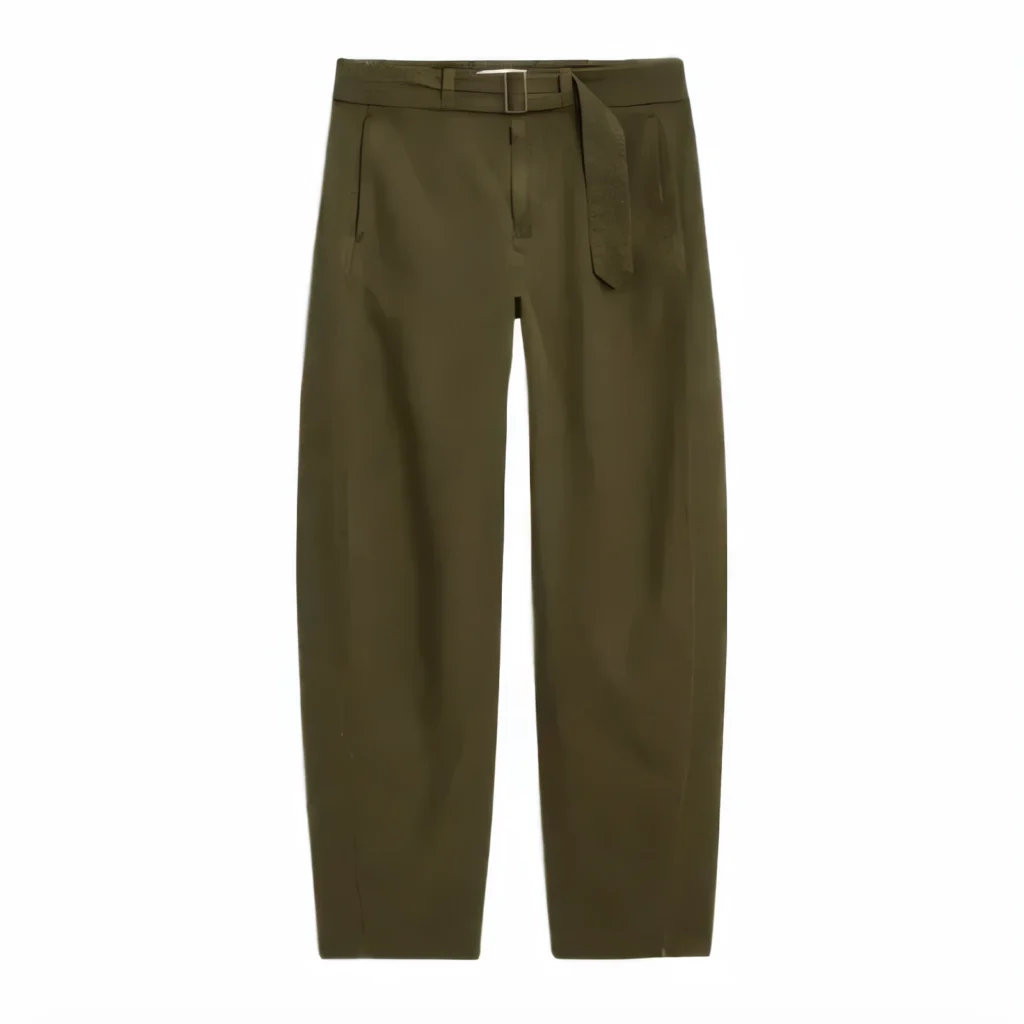
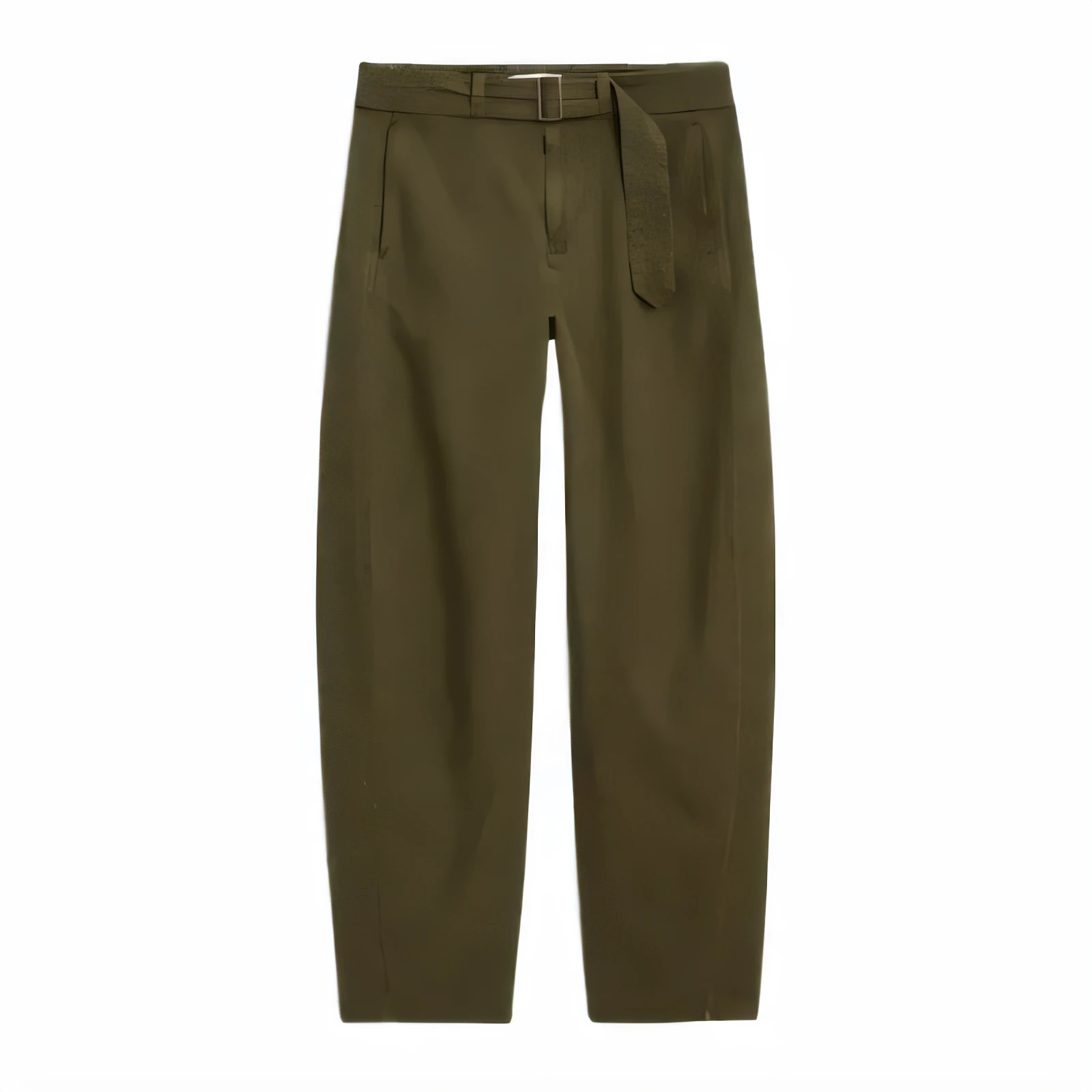
This is the recipe for the day that needs you to look like you have it together, even if you absolutely do not. A well-cut trouser — straight or slightly wide-leg, not skinny — with a fitted top or thin sweater makes a clean line that reads polished without trying hard. Finish with a bag that has actual shape, and the whole thing elevates instantly.
The fitted-loose contrast is doing the heavy lifting. I’ve pulled this exact combination out on school-run mornings and headed straight to a meeting — the trouser reads office, the cardigan keeps it soft, and it still works when the day turns into errands.
How I’d build it
- Start with a well-cut trouser. Straight or slightly wide leg. Skip anything skinny.
- Layer a fitted top or thin sweater. That’s what keeps the trouser from feeling boxy.
- Carry a structured bag. Real shape, no slouchy totes.
- Keep the palette to one or two colors. Let the silhouette do the talking.
- Finish with a low heel or a loafer. Polished, not fussy.
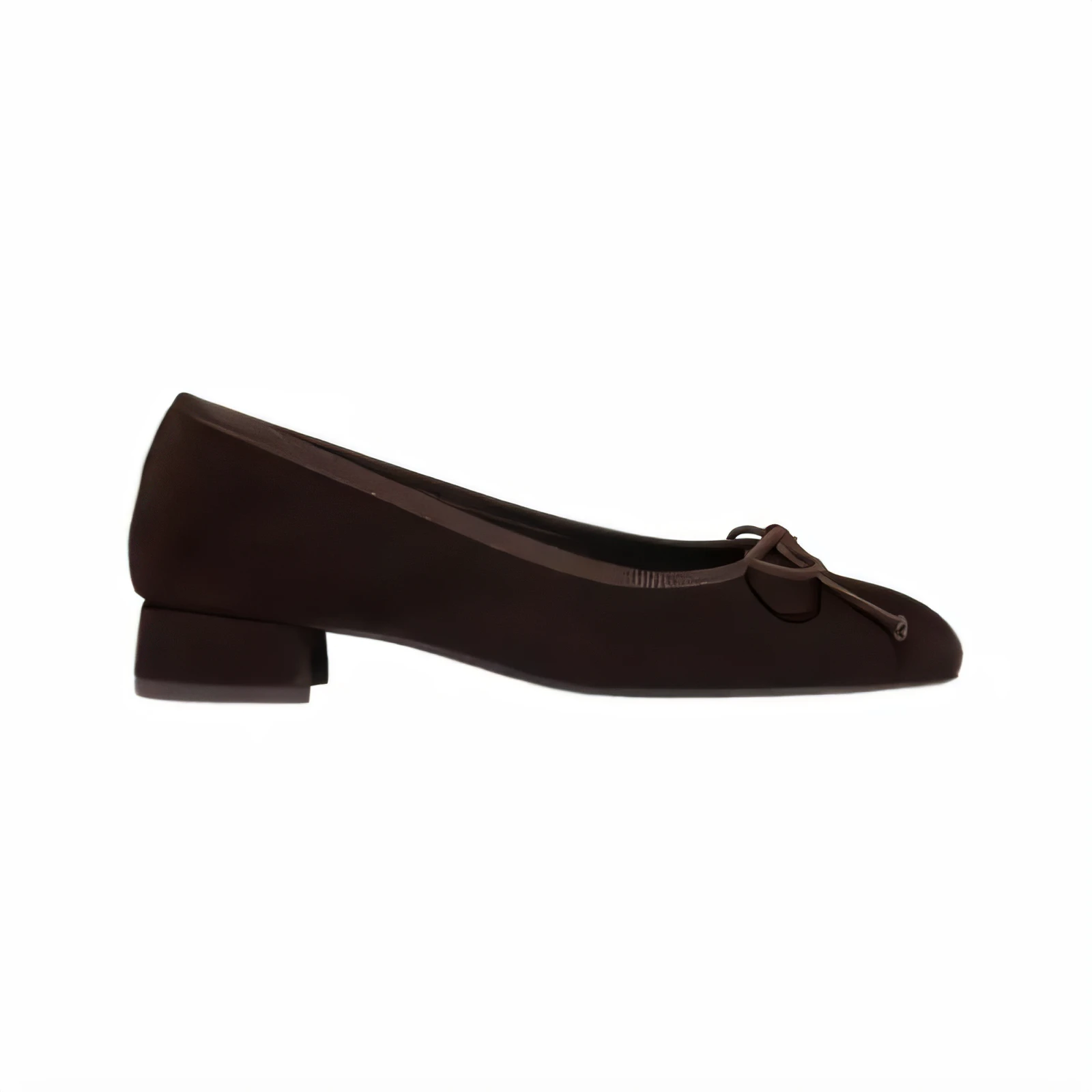
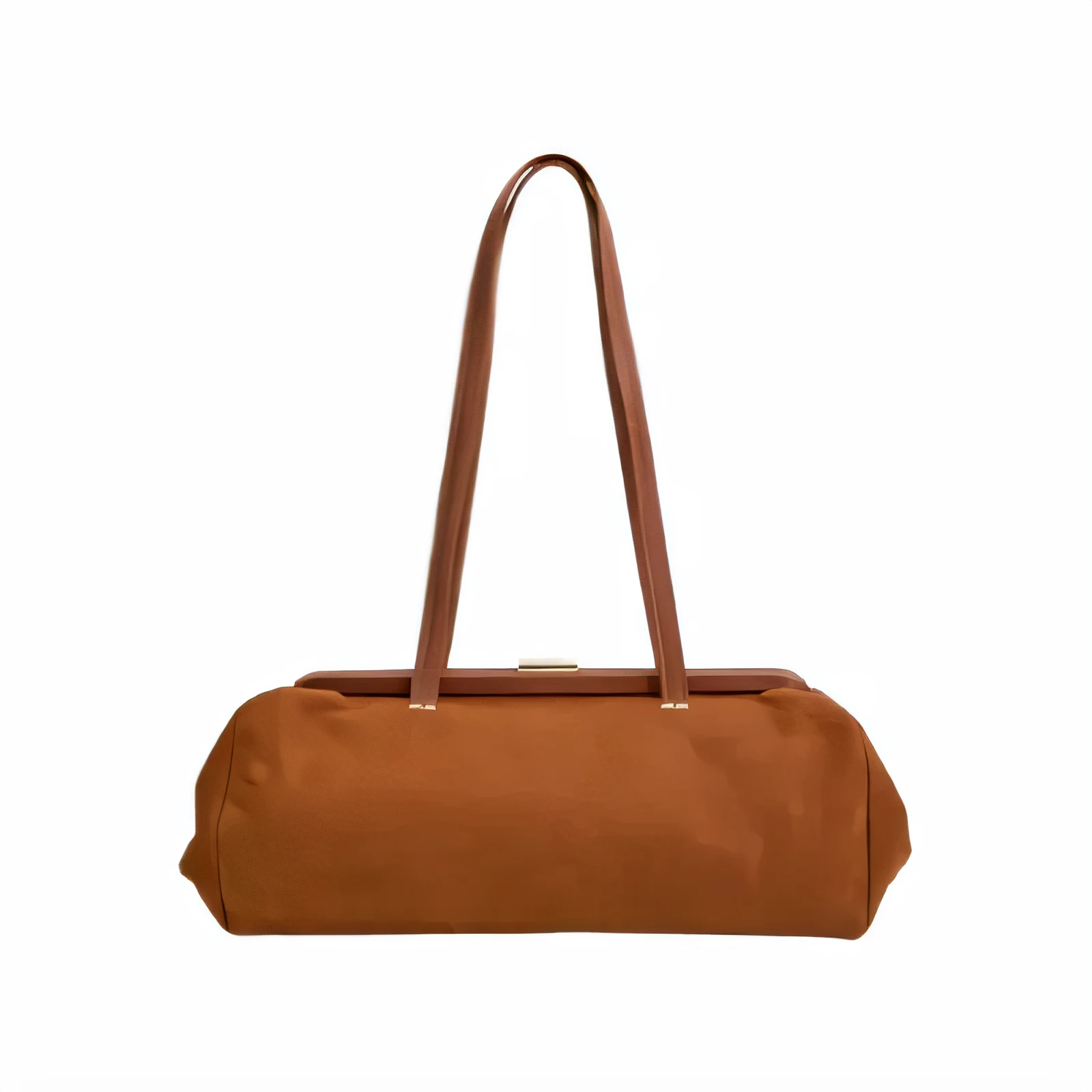
For reference, the kind of pieces that fit: a tailored trouser around $195, a cashmere cardigan around $198, and a structured bag around $425. None of it is required. The shape is the point.
Formula 2: One Tonal Family + Exactly One Statement Piece
Dressing head to toe in one tonal family — camel on camel, navy on navy, all black — is one of the fastest ways to look put-together without overthinking it. The trick is adding exactly one thing that breaks the monotony: a bold shoe, a bright bag, a standout earring. One, not three.

Monochrome reads expensive and intentional even when the pieces themselves are basic. The single statement piece keeps it from going flat. I learned this the hard way — my closet has a navy sweater I wear with navy denim and a bright bag, and it’s the highest-wear combination I own.
How I’d build it
- Choose your tonal family. Camel, navy, and black are the easiest to build around.
- Dress fully in that color. Top, bottom, outerwear — same family.
- Add one statement piece. A bold shoe, a bright bag, a standout earring. Just one.
- Vary the textures. Knit, leather, and denim in the same color keep it from feeling flat.
- Resist a second statement piece. One is intentional. Two start to compete.
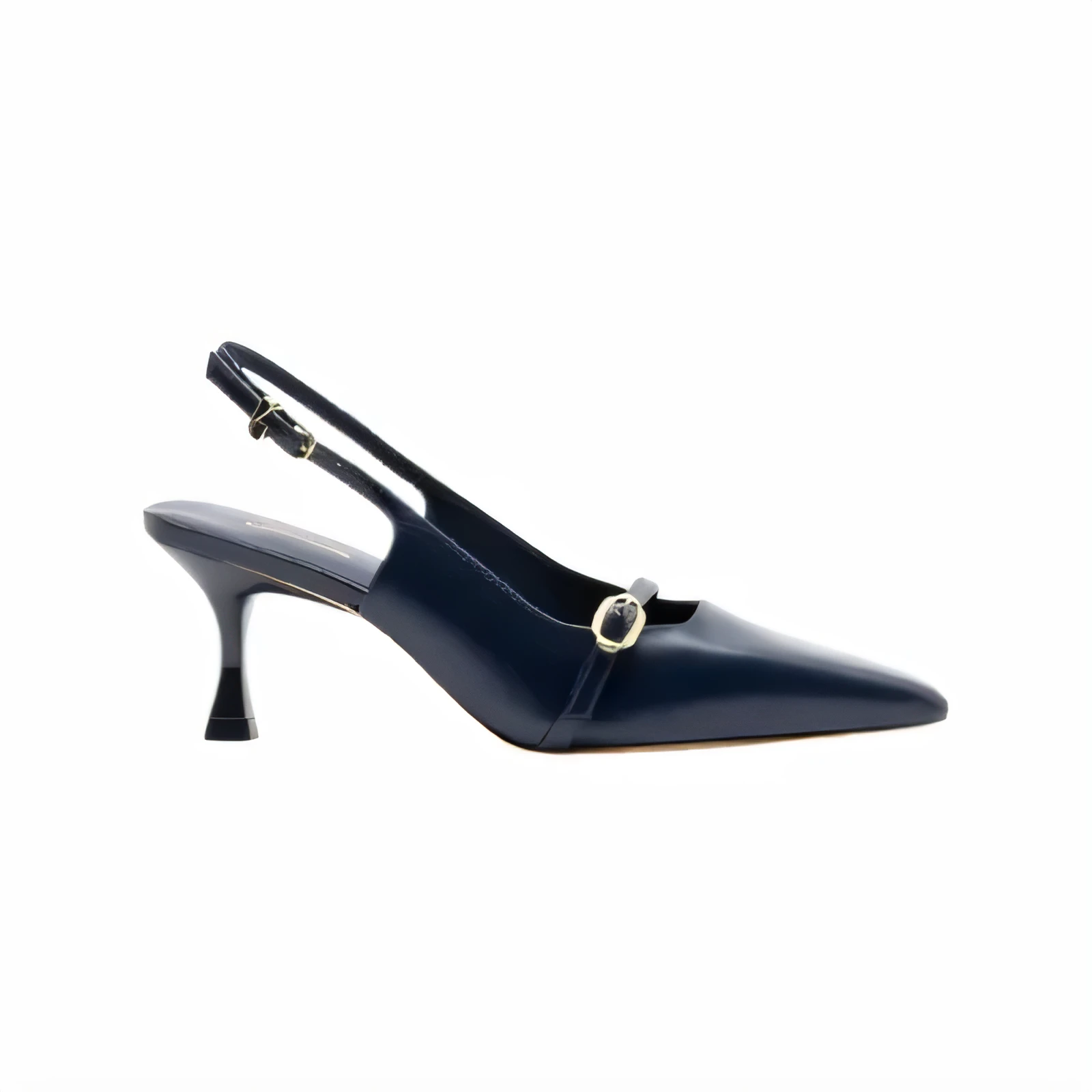
Example pieces if you want a starting point: an oversized knit around $298, a slip skirt around $168, a pointed pump around $175, or a micro bag around $498. Pick the tonal base first; the accent piece last.
Formula 3: The Elevated Basics Layer-Up
A simple tee or turtleneck, a cardigan or blazer worn open, straight-leg denim, and a boot or loafer. This is the formula for real life — drop-off, working from home, running errands — but elevated just enough that you’d be fine running into anyone.
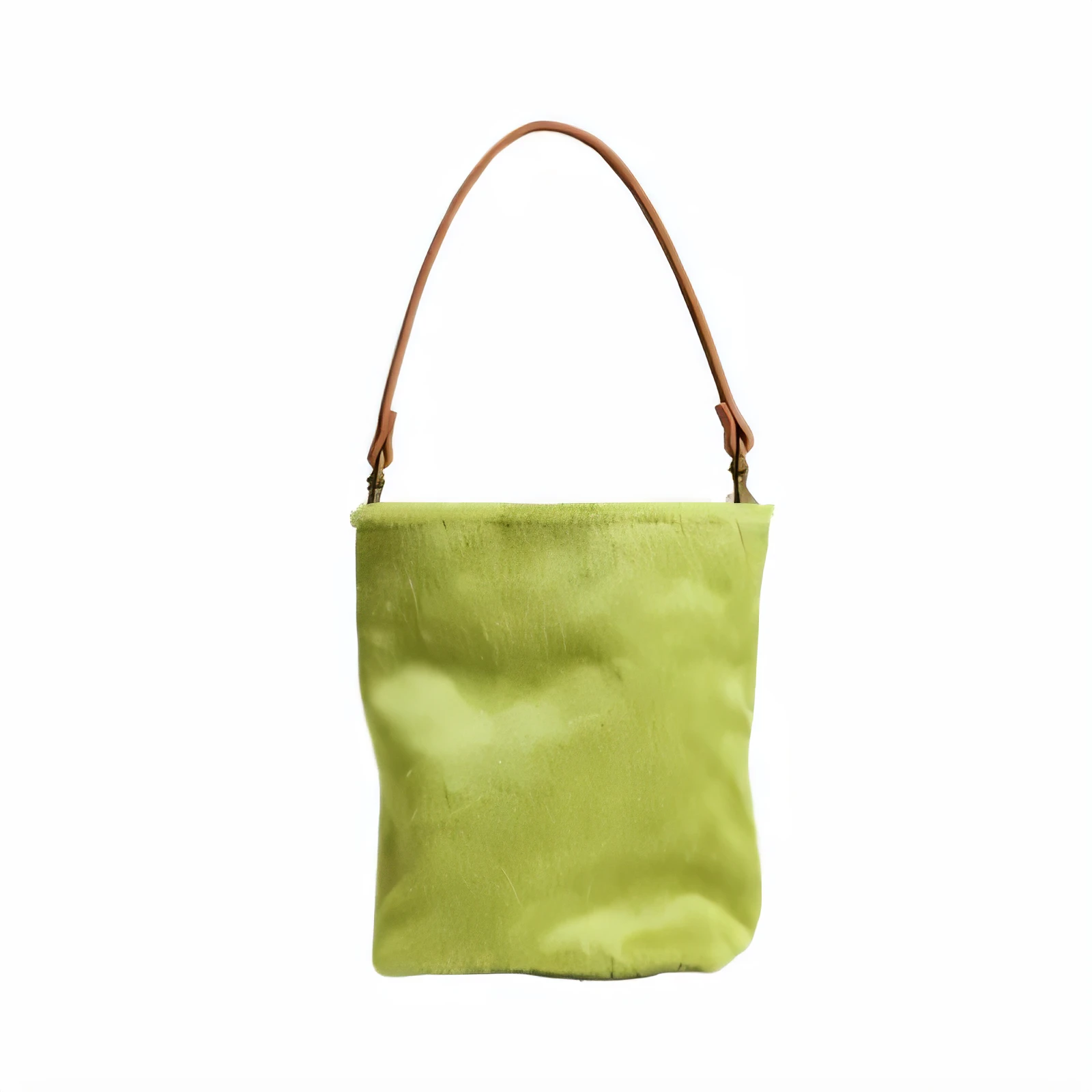
Nothing here is fussy, but the mix of textures — denim, knit, leather — keeps it from reading as “just basics.” I keep a plain tee, a straight-leg pair of jeans, and an open cardigan as my default. On the days I’m tired, that’s the whole decision.
How I’d build it
- Start with a simple top. A tee or turtleneck as the base layer.
- Add a cardigan or blazer, worn open. That’s what turns basics into an actual outfit.
- Reach for straight-leg denim. Structured, not distressed.
- Mix textures on purpose. Knit, denim, and leather add depth without effort.
- Finish with a boot or loafer. Skip the sneaker if you want it to read slightly more polished.
The math on this one is the best in the rotation: a simple tee around $78, straight-leg jeans around $89.95, and a leather blazer around $224. Even the blazer, at a few hundred dollars, costs very little per wear once it’s in the rotation every week.
Formula 4: The Dress + a Layer + a Boot
A slip dress or a simple knit dress, a jacket or cardigan on top, and a boot instead of a sandal. This is how you move a warm-weather piece into the cooler months without buying anything new — and it works from a dinner out to a daytime event.
The layer changes the whole silhouette and the mood. The same dress reads completely differently in July than in October. I keep one summer dress and one good layer on rotation specifically for this reason — one garment, two seasons, zero extra spending.
How I’d build it
- Start with a slip or simple knit dress. Something you already reach for in summer.
- Add a jacket or cardigan on top. That’s what shifts the silhouette and the mood.
- Swap sandals for a boot. Ankle or knee-high both work.
- Keep accessories minimal. Let the layering do the visual work.
- Adjust the fabric weight seasonally. Lighter for early fall, heavier as it gets colder.
For reference: a cotton midi dress around $325, a mid-calf boot around $550, a structured jacket around $245, and if you want one quiet piece of jewelry, a glass necklace around $195.
Style Math
Here’s how I actually think about cost. A $224 leather blazer worn 50 times is $4.48 per wear. A $198 cashmere cardigan worn 60 times is $3.30 per wear. The formulas work because they’re built to be repeated — the price you pay is the price you pay per wear, not the price on the tag.
FAQ
Do I need to buy anything new to use these formulas?
No. That’s the whole point. Each formula is a structure, not a shopping list. The products above are examples of the shapes and price points — if you already own a straight-leg trouser, a fitted top, and a bag with shape, Formula 1 is already in your closet.
Which formula is easiest to start with?
Formula 3, the elevated basics layer-up. It uses the pieces most people already own, it takes the least time in the morning, and the texture mix does the styling for you. Once that feels automatic, add the monochrome formula on top.
Do these only work for women in their 40s?
No. The source of the idea was written for women over 40, but the combinations are age-neutral. A 25-year-old and a 55-year-old can wear the same formula and it works, because it’s about fit, texture, and proportion, not a birthday.
These four formulas cover most of my days. The goal isn’t a new wardrobe — it’s knowing which combinations to reach for when you don’t have time to think about it. That’s the version of style that survives contact with a real morning.
— a note from Maya
If you want more of this, start with my other pieces on building a capsule wardrobe and the fashion guides where I break down what’s actually worth buying.